
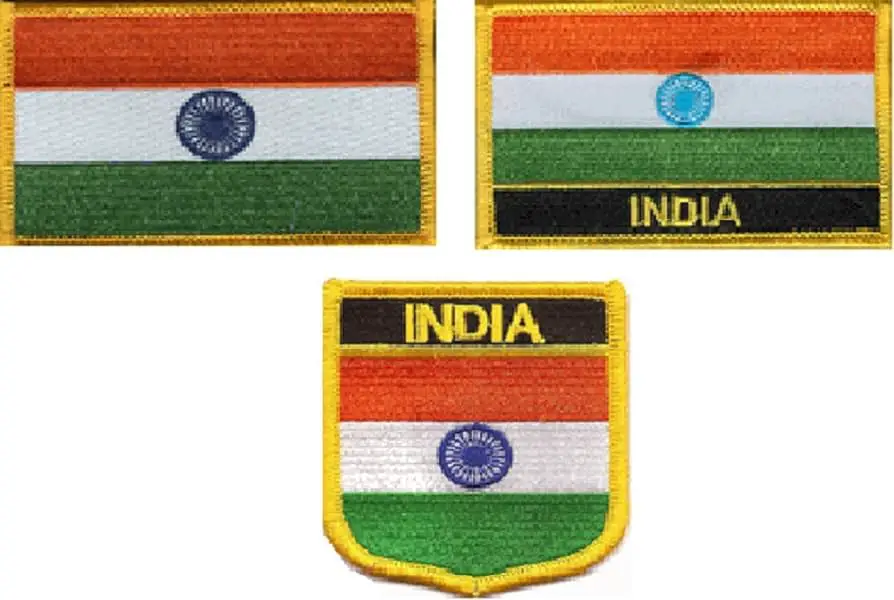
The name of the flag of the world is usually derived from the country it represents. Flags are powerful symbols that serve as a visual representation of a country’s values, history, and identity.
Each flag has its own unique name, often based on the country’s history, culture, or geographical characteristics. Understanding the name and symbolism of different flags can provide insight into a country’s heritage and traditions. We will explore the names of various flags from around the world, delving into the meanings behind their designs and colors.
Think you know who’s hitting the next six? 🏏 Don't just watch—win! Join the action here and turn your cricket instincts into real rewards with the best live odds.
By learning about the flag names and their significance, we can gain a deeper appreciation for the diverse cultures and histories that make up our global community.
Origin And Evolution
The flag of the world has a rich history dating back to early forms of identification. Initially used as a means of distinguishing between friend and foe in battles and military operations, flags eventually transitioned into powerful national symbols representing the identity and values of a country. Over time, the evolution of designs and symbolism has seen flags adopt a diverse range of colors, patterns, and emblems, often reflecting historical events, cultural heritage, and national aspirations. The symbolic significance of each element carefully incorporated into the flag design serves to encapsulate the unique identity and pride of the nation it represents. Through this evolution, flags have emerged as powerful and emotive symbols that evoke a sense of belonging and unity among citizens, as well as convey important messages on the global stage.
Flag Of The World Name
Flag of the World Name plays a crucial role in representing a country’s identity and values. The name of a flag holds significance in terms of national pride, historical context, and cultural symbolism. Across countries, naming conventions for flags often reflect historical events, geographical features, political ideologies, or national aspirations. For instance, the name of the flag may commemorate pivotal historical movements, revered national leaders, or represent the foundational principles of a nation. Different countries have varied historical backgrounds, and as a result, the names of their flags hold different levels of historical and cultural significance. Understanding the importance of flag names can provide a deeper insight into the diverse symbolism and pride associated with flags across the world.
Cultural And Symbolic Meaning
The flag of a country is not just a piece of fabric but a representation of cultural identity and national pride. It serves as a symbol of unity, history, and values that a nation holds dear. Flags often feature symbols, colors, and patterns that hold deep cultural and historical significance, representing the ideals and aspirations of a nation. For instance, the colors on a flag can represent anything from the country’s struggles for independence to its natural resources or the values of its people. In some cases, elements such as stars, stripes, or emblems may hold specific meanings related to historical events or cultural beliefs. Thus, flags play a crucial role in expressing the distinctive identity and values of a nation to the world.
Credit: www.reddit.com
Frequently Asked Questions Of Flag Of The World Name
What Is The Oldest National Flag In The World?
The oldest national flag in the world is Denmark’s, known as the Dannebrog. It has been in use for over 800 years, making it the oldest continuously used national flag.
How Many Countries Have A Flag With Just One Color?
There are several countries with flags consisting of just one color, including Libya, which had a plain green flag from 1977 to 2011.
What Is The Significance Of The Colors On Flags?
Colors on flags often have symbolic meanings. For example, red can symbolize valor and bravery, while green may represent hope and fertility. Each color can hold different meanings across different cultures.
Which Country Has The Only Non-quadrilateral Flag In The World?
Nepal is the only country with a non-quadrilateral national flag. Its flag is made up of two stacked triangles, symbolizing the Himalayas and the country’s two main religions, Hinduism and Buddhism.
Conclusion
In closing, the world of flags is a colorful and diverse tapestry. Each flag carries a rich history and symbolism that reflects the unique identity of a nation. From the iconic stars and stripes of the United States to the striking design of the Japanese flag, flags serve as powerful symbols of national pride and unity.
Explore the world of flags to discover the rich stories they tell.
The next big match is just around the corner! 🏆 Ready to win? Open your account now to claim a massive $120 bonus! Use Promo Code: CRICKETMT and start playing like a champion!